AI Content Audits vs. Human Reviews: Which Delivers Better Quality in 2026?
So, you've got a mountain of content. Maybe it's a blog with hundreds of articles, a growing knowledge base, or product descriptions scattered across your site. Keeping it all fresh, accurate, and performing well is a huge task, right? You're probably thinking about how to tackle it. Do you lean on the shiny new tech, like AI, to scan everything? Or do you stick with the tried-and-true method of having people read and review it?
This is the big question on many marketers' minds today: AI content audits versus human editorial reviews. Which one actually gives you better quality, especially as we look towards 2026? It's not a simple 'one is better than the other' answer. Each has its own superpowers and its own blind spots. Let's break down the AI content audit vs human review debate to figure out what's best for your needs.
What Exactly Are We Auditing?
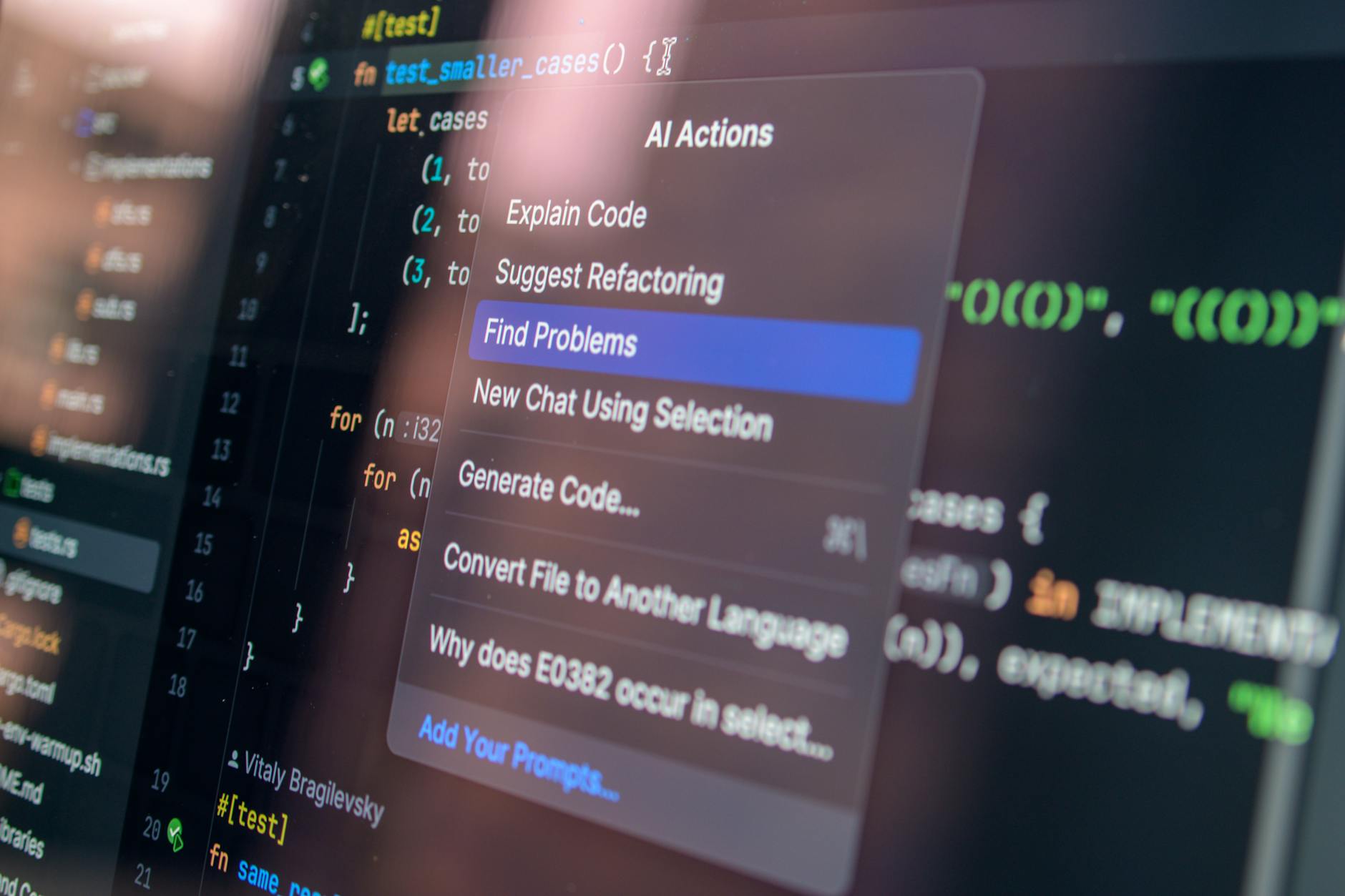
Before we dive into the comparison, let's clarify what we mean by an AI content audit. Essentially, an AI content audit uses artificial intelligence tools to scan and analyze your website's content. These tools can look for a wide range of issues, from SEO performance and keyword density to readability and grammatical errors. They can process vast amounts of data quickly, providing a bird's-eye view of your entire content ecosystem. Think of it as a high-speed scanner for your content's health. Our blog often explores new ways technology is changing content management.
On the other hand, a human review involves a person or a team of people reading and evaluating your content. This can range from a single editor checking for tone and accuracy to a dedicated team focusing on brand voice, strategic messaging, and factual correctness. Human reviewers bring critical thinking, nuanced understanding, and the ability to grasp context in ways that AI currently struggles with. This is where understanding E-E-A-T becomes crucial, as human reviewers are best placed to assess these qualities.
The Case for AI Content Audits
AI content audits offer undeniable advantages, primarily speed and scale. Imagine needing to check hundreds or even thousands of articles for broken links, outdated information, or keyword stuffing. An AI tool can do this in a fraction of the time it would take a human team. This efficiency is invaluable for large websites or businesses that produce content at a high volume. For example, you might use AI content tools to identify pages that are underperforming in search results, allowing you to prioritize which ones need attention. This aligns with the need to adapt to the future of organic traffic.
AI can also be incredibly consistent. It applies the same criteria to every piece of content without fatigue or bias. This is particularly useful for identifying technical SEO issues, ensuring optimal keyword usage across your site, or checking for adherence to basic grammatical rules. Some platforms even use AI to suggest improvements, such as better headline variations or opportunities for internal linking, as discussed in Mastering Internal Linking.
The Indispensable Role of Human Review
Despite the advancements in AI, human review remains critical for ensuring true quality. AI can spot a grammatical error, but can it understand the subtle nuances of brand voice or the strategic intent behind a piece of content? Probably not yet. Humans excel at assessing aspects like:
- Creativity and Originality: Is the content engaging and unique, or does it sound generic?
- Tone and Brand Voice: Does it align with your company's personality and messaging?
- Factual Accuracy and Nuance: Is the information correct, up-to-date, and presented with appropriate context? This is vital for building trust and authority, key components of E-E-A-T.
- Audience Understanding: Does it truly connect with the target audience's needs and pain points?
- Strategic Alignment: Does the content serve broader business goals, such as lead generation or brand building?
Moreover, human editors can identify gaps in your content strategy that an AI might miss. They can see where topics are underdeveloped or where there's an opportunity to create more in-depth, authoritative content. For instance, understanding the user's intent behind a search query is something a human can often grasp better than an AI, especially when dealing with complex topics relevant to SEO for SaaS.
Our team is deeply experienced in understanding these qualitative aspects of content. They can provide feedback that goes beyond surface-level metrics, ensuring your content resonates with readers and drives meaningful results. They can also help in developing a comprehensive content calendar strategy that aligns with business objectives.
AI vs. Human: The Synergy for 2026
So, is it AI *or* human? The most effective approach for 2026 and beyond is likely a hybrid model. AI can handle the heavy lifting of large-scale analysis, identifying technical issues, and flagging potential problems. This frees up human reviewers to focus on the high-level strategic and qualitative aspects that truly differentiate content.
Imagine this workflow: An AI tool scans your entire content library, identifying pages with poor performance, SEO issues, or readability problems. It might also flag content that appears to be outdated based on external data. Then, your human editorial team steps in. They review the AI's findings, prioritizing the most critical issues. They delve into the flagged content, making nuanced edits for tone, accuracy, and strategic impact. They might also use the AI's suggestions as a starting point for further optimization, perhaps identifying opportunities for Answer Engine Optimization (AEO) or repurposing content for different channels, as discussed in Maximize Reach: The Art of Repurposing AI-Generated Content for Omnichannel Success.
This combination allows you to achieve both efficiency and depth. You can maintain a large volume of high-quality content without burning out your editorial team. It's about leveraging AI for what it does best—data processing and pattern recognition—and relying on humans for creativity, critical thinking, and strategic judgment. For businesses in the competitive SaaS landscape, this hybrid approach is key to staying ahead. For more insights on how AI is changing SEO, check out our guide on Navigating the AI Shift.
Common Questions About AI and Human Content Review
You might still have some lingering questions. Let's address a few common questions:
Can AI completely replace human editors?
In the foreseeable future, no. While AI can automate many tasks, it lacks the nuanced understanding, creativity, and critical thinking of human editors. The goal is augmentation, not replacement. For a deeper dive into this, you might find the AI Content Writer vs. Human Writer comparison insightful.
How quickly can AI perform content audits?
AI can perform comprehensive content audits much faster than humans, often in a matter of hours or days, depending on the size of the website. This speed is one of its biggest advantages, especially for large content inventories. For more on speed and performance, consider reading about Mastering Core Web Vitals.
What are the main benefits of human review?
Human review provides essential qualitative checks, ensuring content is accurate, engaging, on-brand, and strategically aligned. Humans can also identify creative opportunities and ensure the content truly connects with the target audience, going beyond what an AI can analyze. This human touch is vital for building a strong brand reputation and fostering customer loyalty, essential for SEO for SaaS success.
How can I implement a hybrid AI and human review process?
Start by identifying your content goals and the types of issues you need to address. Use AI tools for large-scale analysis and issue detection (e.g., SEO errors, broken links). Then, have your human team focus on reviewing the AI's findings, performing in-depth qualitative checks, and making strategic edits. Regularly assessing the performance of your content after updates will help refine your process. For guidance on optimizing content for search engines, our Mastering AI Search guide offers valuable strategies.
What is the future of content quality in the age of AI?
The future of content quality lies in a sophisticated blend of AI efficiency and human creativity. Content that is not only technically optimized but also deeply insightful, engaging, and trustworthy will prevail. This requires a strategic approach that integrates AI tools seamlessly into human-led editorial processes. Tools like those discussed in Unlocking AI Search for SaaS are becoming essential. Ultimately, exceptional content will continue to be a result of smart technology working hand-in-hand with human expertise. As noted by Google Search Central, helpful content remains the core focus.
Conclusion
The debate between AI content audits and human reviews isn't about choosing a winner; it's about recognizing the strengths of each and combining them for optimal results. AI offers speed, scale, and consistency for identifying technical and quantitative issues. Human review provides the essential qualitative insights, creativity, and strategic thinking that make content truly resonate. By embracing a hybrid approach, businesses can ensure their content is not only discoverable and error-free but also compelling, accurate, and aligned with their brand's vision, especially as we navigate the evolving landscape of search in 2026. For more on improving your content strategy, explore more articles on our site.